
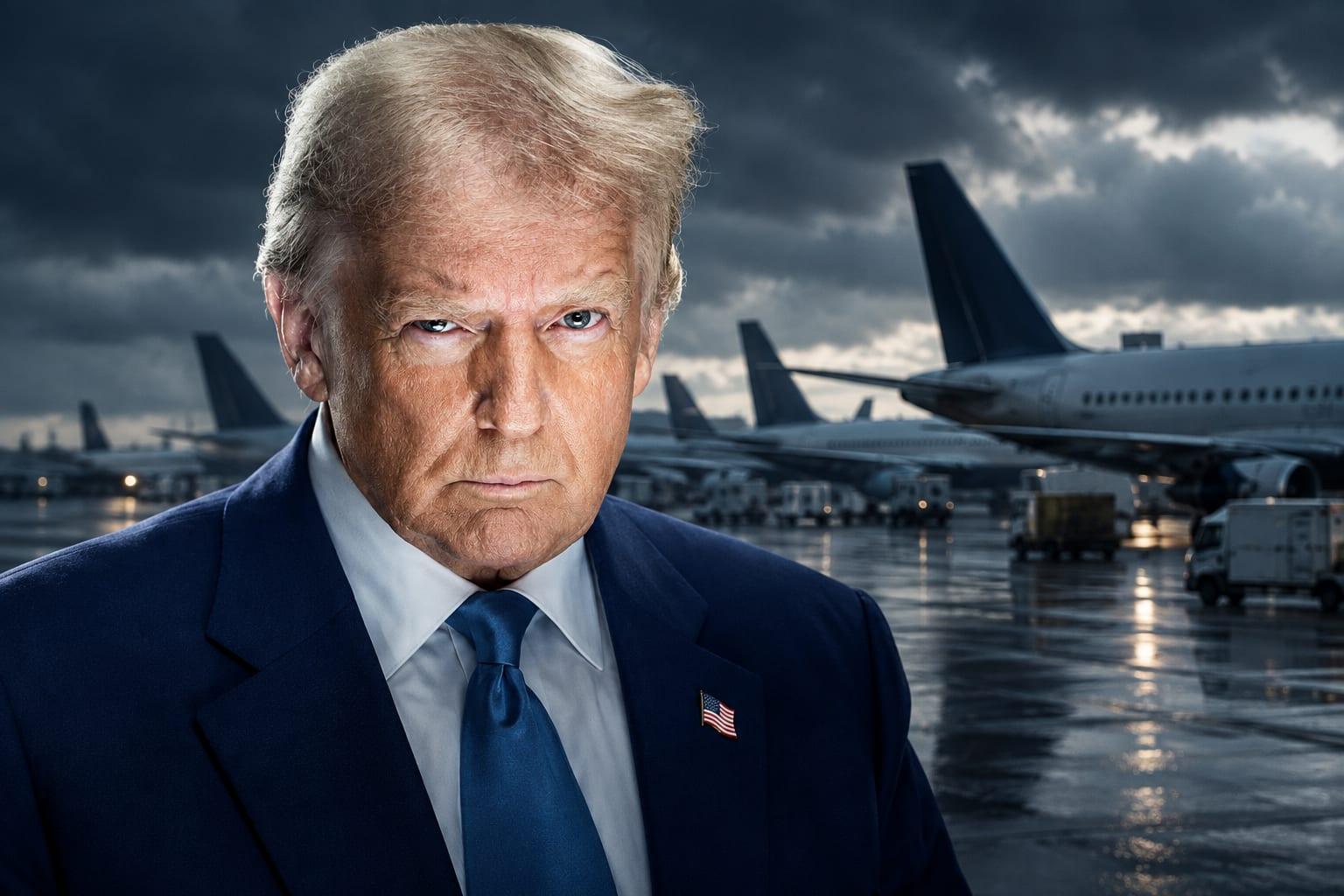
As the world turns its eyes to the United Nations, President Donald Trump’s administration took a decisive stand against Iran by shutting down its aviation networks across the globe. This robust move came as Treasury Secretary Scott Bessent announced harsh sanctions set for September 23, aimed at crippling any country that fuels or services Iranian aircraft by cutting them off from the U.S. dollar system.
The stakes hit close to home as Iran's bold tactics threaten regional stability, impacting global shipping lanes and energy markets. With the regime's constant posturing in key areas like the Strait of Hormuz, Americans inevitably feel the effects at the pump and across the economy. It's a clear indication that Iran's threats and actions aren't just geopolitical; they reach into the wallets of every citizen.
Iran’s Strategic Miscalculation
Masoud Pezeshkian, at the UN, may have declared Iran's refusal to bow, yet the facts paint a different picture. With Marco Rubio branding Iran “the world's leading violator of the international system,” the Trump administration reveals the financial underpinnings that Tehran seeks to obscure—over $1.8 billion channeled through a sanctioned banking pipeline.
This hard stance unveils the regime's vulnerabilities as the administration strips Iran of its aviation, banking access, and legitimacy on the world stage. Moreover, it sends an unambiguous message: Tehran can't wait for political shifts in Washington as Trump's policies remain unwavering.
Implications for Global Diplomacy
President Trump’s firm resolve against Iran marks a significant pivot in how America engages with rogue regimes. This zero-tolerance approach dismantles any illusion Tehran might have that it can outmaneuver or outwait U.S. policy shifts. Trump's message is clear: the fantasy of a weakened America post-midterms is a delusion.
Ultimately, this bold action challenges diplomats to face Iran's true face—a regime desperate for acknowledgment yet cloaked in terror and deception. As America reasserts its stance on the world stage, the focus now shifts to see which nations will join the U.S. in ensuring sanctions cut deep into the clerics' gambit.
"Keep the sanctions tight. Keep the diplomatic humiliation public," urges the Trump administration. The global community stands at a critical decision point: support a regime yearning for legitimacy or back a U.S.-led campaign that steadfastly seeks justice.
This fight for principled diplomacy extends beyond the Middle East, resonating with every American who seeks truth over appeasement. Do world leaders truly understand the stakes, or will history repeat its mistaken lessons?
