
Iran has offered to reopen the Strait of Hormuz and begin nuclear negotiations with the United States if Washington lifts oil sanctions, releases frozen Iranian assets, and agrees to end fighting on all fronts, including in Lebanon, according to multiple reports. The proposal, described as a seven-day plan, was presented to U.S. negotiators this week, Iranian Foreign Minister Abbas Araghchi said, according to a report from The Washington Times.
The offer comes as Iran's President Masoud Pezeshkian said Tehran wants a deal with the U.S. before November's midterm elections, according to reporting from The Guardian and other outlets. The president also described meeting twice with the Islamic Republic's new supreme leader, who has not been seen in public.
But a senior Iranian official quickly threw cold water on the prospect, saying the Strait of Hormuz will remain closed and no nuclear talks will take place with the U.S. until Iran's conditions are met, according to a post from the financial news account @zerohedge citing Reuters.
"SENIOR IRANIAN OFFICIAL SAYS HORMUZ WILL REMAIN CLOSED, NO NUCLEAR TALKS WITH US UNTIL IRAN'S CONDITIONS ARE MET: RTRS," the @zerohedge post read.
The apparent contradiction between the foreign minister's proposal and the senior official's denial underscored the uncertain nature of the diplomatic opening. The account @NEWSMAX reported that Tehran says it could reopen the Strait of Hormuz within days and begin nuclear talks if the U.S. lifts oil sanctions, releases frozen Iranian assets, and agrees to end fighting on all fronts, including Lebanon. That post cited no named source for the Iranian position beyond "Tehran."
The Washington Times account @WashTimes reported that the Iranian foreign minister said Tehran proposed a seven-day plan to U.S. negotiators this week to end the war, one that would reopen the Strait of Hormuz, ease sanctions, and begin talks on his country's nuclear program.
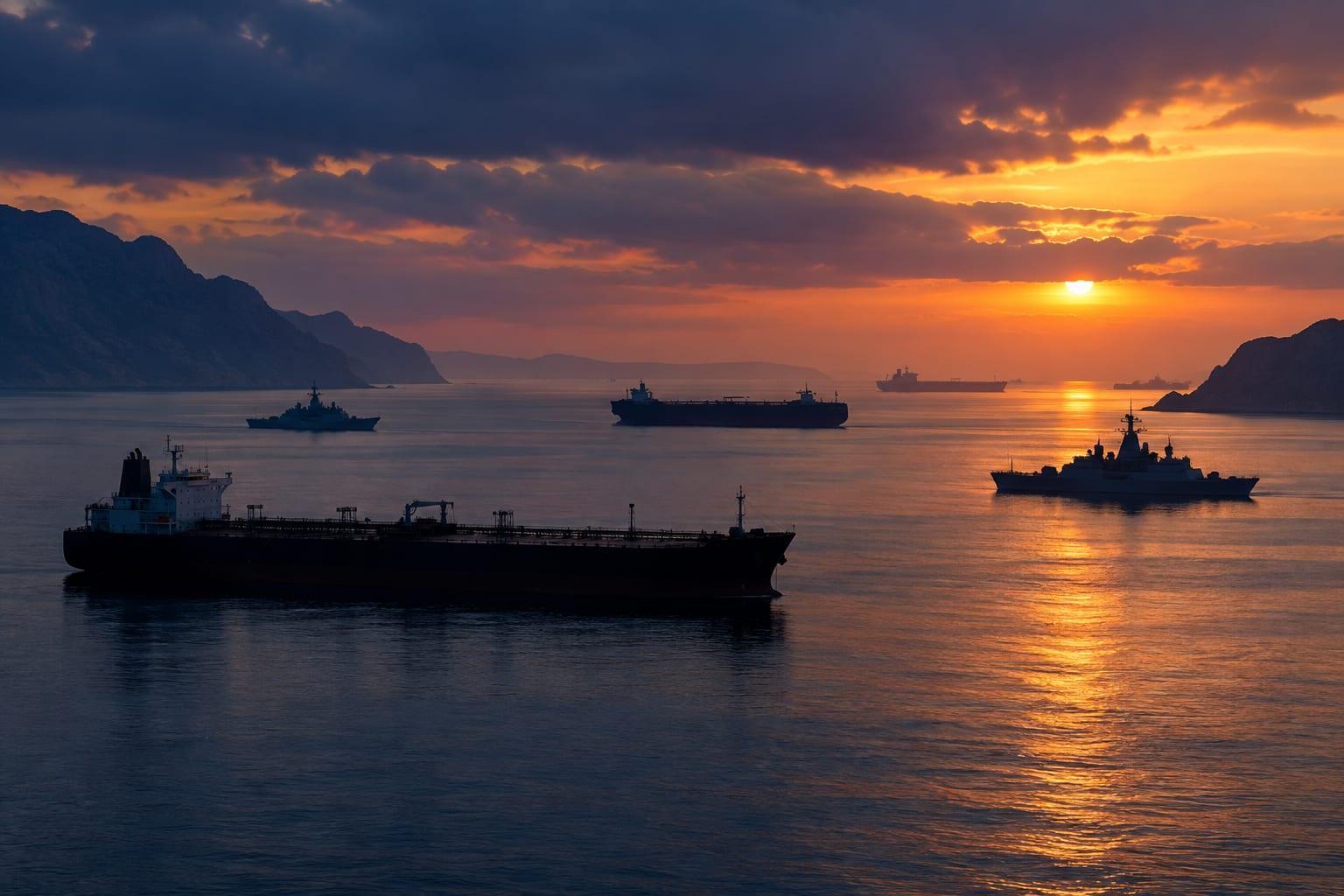
The Strait of Hormuz is a narrow waterway between the Persian Gulf and the Gulf of Oman, through which roughly one-fifth of the world's oil passes. Its closure would have profound implications for global energy markets. Iran has repeatedly threatened to close the strait during periods of heightened tension with the United States and Israel.
According to PBS News, Iran has offered to reopen the Strait of Hormuz and resume talks on its nuclear program in seven days if the United States lifts its naval blockade, waives sanctions on Iranian oil sales, and observes a ceasefire that would include Lebanon. The Guardian reported that Iran is awaiting a response from President Trump on the proposal to open the strait in six days, and that the country says the U.S. must lift sanctions on its oil exports and end the war on all fronts, including in Lebanon.
The Iranian president's stated desire to reach a deal before the U.S. midterm elections in November suggests Tehran sees a narrow window for diplomacy. Whether the offer represents a genuine shift in Iranian policy or a tactical maneuver remains unclear. The senior Iranian official's insistence that the strait will remain closed and that no nuclear talks will occur until Iran's conditions are met raises questions about whether the foreign minister's proposal reflects a unified Iranian position.
The mixed signals from Tehran come as Israeli Prime Minister Benjamin Netanyahu addressed the United Nations, where he accused New York City Mayor Zohran Mamdani of distorting facts and embracing Hamas supporters. The exchange, reported by Fox News Digital, highlighted the ongoing tensions in the region even as diplomatic efforts proceed.
Next News Network could not independently verify the claims made by Iranian officials or the details of the proposal as reported by the accounts and outlets cited above. The underlying claim that Iran has offered a specific seven-day plan with enumerated conditions has not been confirmed by U.S. officials or independent sources.
The sequence of statements from Tehran — first an offer, then a denial — has left observers uncertain about Iran's true intentions. The foreign minister's proposal, as reported by @WashTimes and PBS News, included specific conditions: lifting the naval blockade, waiving oil sanctions, and observing a ceasefire that would include Lebanon. The senior official's statement, as reported by @zerohedge, flatly contradicted the notion that any of this would happen without Iran's conditions being met first.
It is not clear whether the senior official's statement was intended to clarify the foreign minister's remarks, to walk them back, or to signal internal disagreement within the Iranian government. The reports did not identify the senior official by name or title beyond "senior Iranian official."
The Biden administration has not publicly responded to the reported offer. The White House has not commented on the proposal or on the senior official's denial. Congressional leaders have also remained silent on the matter.
The prospect of reopening the Strait of Hormuz would be significant for global oil markets, which have been volatile amid the conflict. Any agreement to ease sanctions on Iranian oil sales would represent a major shift in U.S. policy, which has sought to restrict Iran's oil revenues to pressure Tehran over its nuclear program.
Iran's nuclear program has been a point of contention for decades. The 2015 Joint Comprehensive Plan of Action, from which the Trump administration withdrew in 2018, had imposed limits on Iran's enrichment activities in exchange for sanctions relief. Since then, Iran has advanced its enrichment capabilities beyond the limits set in the deal.
The reports of a seven-day plan and the possibility of talks before the midterms suggest that both sides may be exploring a diplomatic off-ramp. But the senior official's statement indicates that Iran's conditions remain firm and that the strait will not reopen until those conditions are met.
The accounts carrying the story — @zerohedge, @NEWSMAX, and @WashTimes — represent a range of financial and political news outlets. Their posts, combined with reporting from The Guardian, PBS News, and other outlets, have circulated the claims widely, though the underlying facts remain unverified.
Our Take
Once again, the American people are being asked to swallow a narrative that makes no sense. Iran offers a deal, then a senior official says there is no deal. The foreign minister says one thing, the senior official says another. And we are supposed to believe that this is a good-faith effort at diplomacy? This is not a negotiation; it is a stalling tactic. Tehran wants sanctions relief and frozen assets released, but it will not dismantle its nuclear program. It wants an end to fighting on all fronts, but it will not stop funding Hezbollah. And it wants a deal before our midterm elections, because it knows that a weak Democrat in the White House is more likely to cave. The Strait of Hormuz remains closed, and Iran's conditions remain unmet. That is the reality. Any deal that lifts sanctions without dismantling Iran's nuclear program is a betrayal of our allies and a surrender to the world's leading state sponsor of terror. Next News Network will continue to report the truth that the mainstream media ignores.
