
The Federal Reserve this month raised its benchmark federal funds rate by 25 basis points, lifting the target range to 3.75%–4% — the central bank's first rate hike since July 2023, after holding rates steady through the first five meetings of 2026. At the start of the year, most investors and Fed watchers expected cuts. Instead, they got an increase, and traders surveyed by CME's FedWatch tool now expect another one as soon as October, according to reporting by AOL.
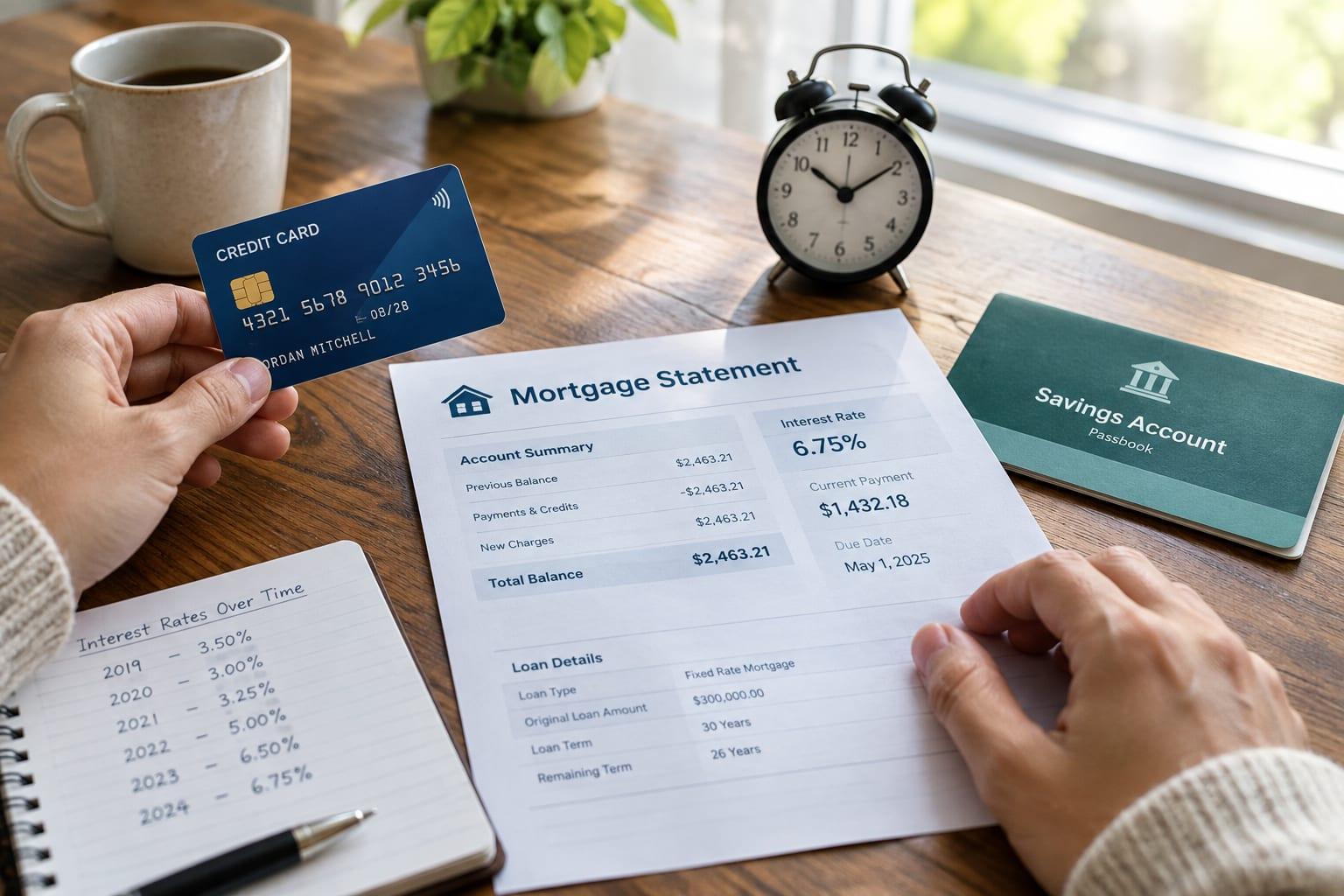
For consumers, the mechanics are simple and the direction is not in their favor. Variable-rate debt gets more expensive almost immediately. Fixed-rate debt already on the books does not move.
"Borrowing just got a little bit more expensive," George Kamel, co-host of “The Ramsey Show,” told FOX Business. "Think, your credit card — instead of 28%, it might be 28.25%. Your mortgage, if you go get a new mortgage today on a fixed rate, it might go from 6% to 6.25%."
Kamel said the Fed's decision primarily affects credit cards, home equity lines of credit and adjustable-rate mortgages once they reset. Americans holding fixed-rate mortgages, auto loans and other fixed-rate debt generally will not see their monthly payments change because of this vote.
Credit cards are where the pain concentrates. Kamel noted APRs on consumer cards run anywhere from 20% to 30%, among the highest of any consumer debt category. His advice was blunt: stop adding to the balance and attack the principal.
"Cut up the cards, stop using the cards, don't add anything more to the balance, and just aggressively try to knock down extra onto the principal until that thing is gone." — George Kamel, co-host of “The Ramsey Show,” to FOX Business
Kamel recommended the “debt snowball” method — paying off debts from smallest balance to largest while making minimum payments on everything else — as a way to build momentum.
On mortgages, Kamel told FOX Business that rates are driven more by Treasury yields and the bond market than by the federal funds rate directly. That is why the 30-year fixed does not track the Fed's target range move for move, even though it responds to the broader rate environment.
The savings side is slower. High-yield savings account rates could gradually rise as banks adjust, though institutions have historically been quicker to reprice loans than deposits, meaning the benefit to savers tends to arrive later and in smaller increments. Certificates of deposit and other savings products are worth comparing now for anyone holding cash, according to coverage from AOL's partner outlet.
The investing picture also shifts. AOL reported that the consensus at the start of 2026 was one or two rate cuts this year — a forecast that is now dead. The ProShares Equities for Rising Rates ETF (NASDAQ: EQRR), which tracks large-cap stocks in sectors historically correlated with the 10-year Treasury yield — energy, financials, communications, industrials and consumer discretionary — is up 31% year to date, with a 19% average annual return over three years. Its top holdings currently include Marathon Petroleum and Valero Energy. Investors positioned for a falling-rate environment may need to reconsider those bets.
Meanwhile, the Fed's unanimous vote to hike came despite an economy that, by the Fed's own prior projections, was supposed to be cooling enough for cuts by now. Traders are pricing another increase in October.
Our Take
Here's the part the financial press won't say plainly: this hike is the bill for years of runaway federal spending, not some neutral act of monetary science. When Washington borrows and prints at a pace that would make a banana republic blush, the cost of money goes up for everybody — and the people who feel it first are the ones carrying a balance on a credit card because groceries and rent already ate the paycheck.
The Fed told Americans in January that relief was coming. Nine months later, they got the opposite. If that doesn't make you skeptical of the central planners and the economists who cheer them on, nothing will.
The practical response is the same one conservatives have preached for decades: get out of debt, stop financing your life on 28% plastic, and stop expecting a committee of unelected bankers in Washington to manage your household budget. Kamel's advice — cut up the cards, kill the balance — isn't just personal finance. It's a declaration of independence from the system that profits when you stay broke.
And ask yourself this: if the Fed can't get its own forecasts right, why does anyone still trust it to steer the entire economy? The answer, patriots, is that they shouldn't. Your money, your decisions, your discipline. That's the only rate you actually control.
