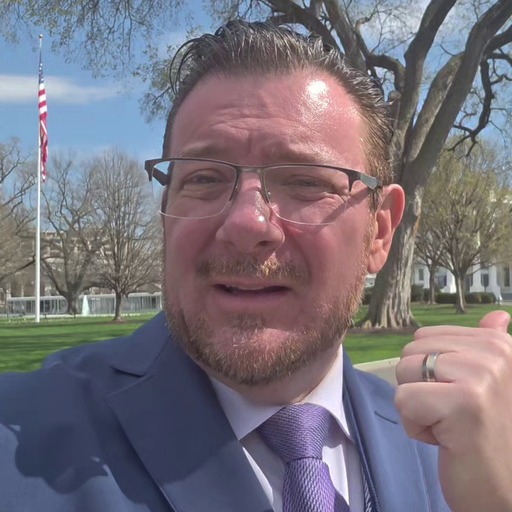
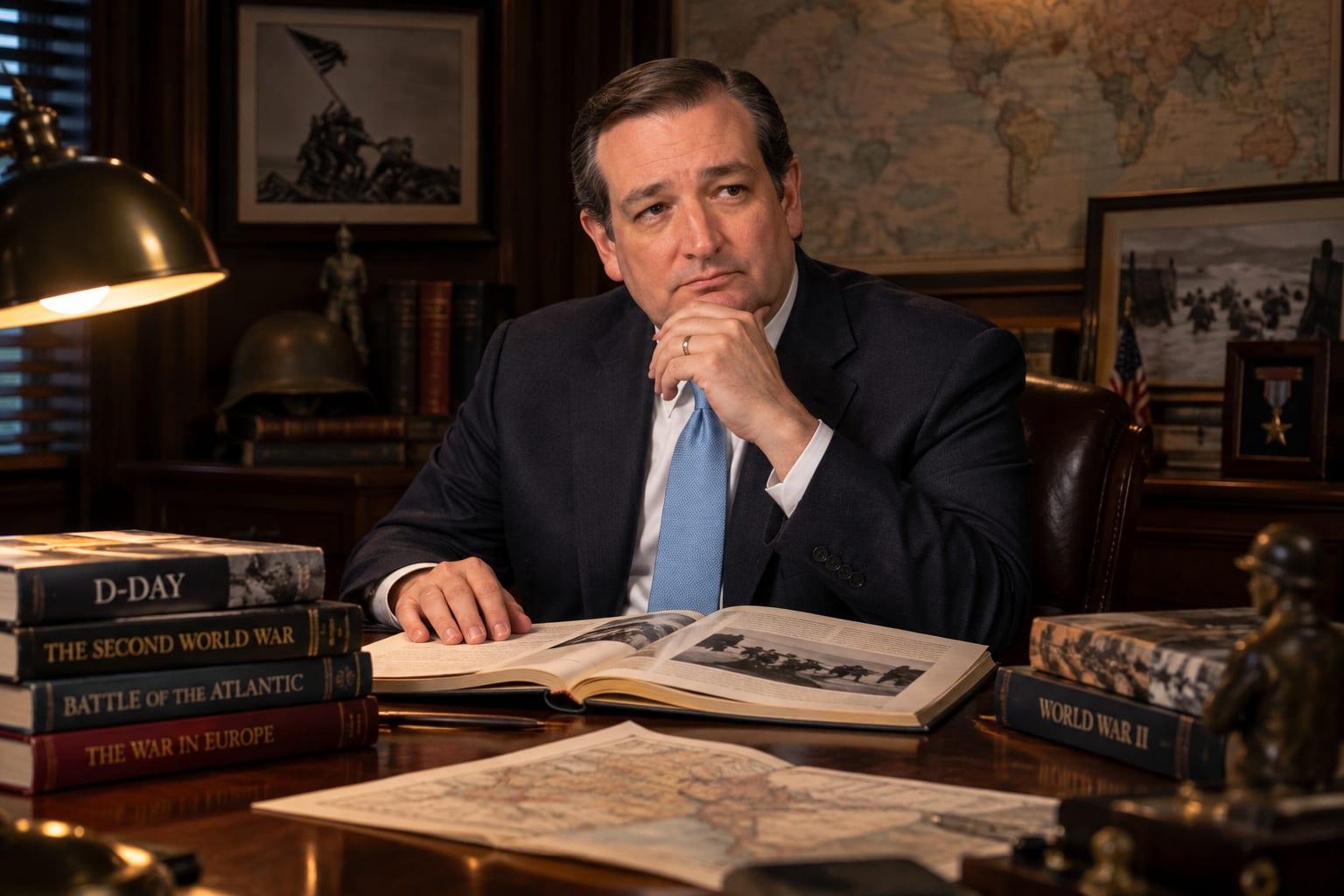
Tucker Carlson is once again asking the questions that most of Washington and the legacy media refuse to touch — and this time, the target is one of the most sacred cows in modern history: World War II.
In an interview with former British Conservative Party lawmaker Jacob Rees-Mogg released Friday on his X account, Carlson pressed the question of whether the United Kingdom actually benefited from entering the war against Nazi Germany, according to coverage of the exchange by Newsweek and the Jerusalem Post.
"The idea that Hitler just randomly rolled into Poland is a lie… Hitler repeatedly said, 'I do not want to go to war with the UK,'" Carlson told Rees-Mogg, according to the Jerusalem Post. Carlson also cited German territorial losses under the Treaty of Versailles as the historical context Germany used to justify the invasion of Poland, arguing that a war paid for in citizens' lives should leave those citizens demonstrably better off.
Rees-Mogg pushed back firmly, arguing that confronting an expansionist dictatorship was itself the benefit — that victory over Nazi Germany preserved Britain's sovereignty. The two also discussed the atomic bombings of Hiroshima and Nagasaki, which Rees-Mogg called "unquestionably justified," per Newsweek's account of the interview.
Backlash From the Right
Carlson's argument did not sit well with several prominent conservatives. Senator Ted Cruz (R-Texas) slammed Carlson over the comments, according to reporting by The Hill. Conservative TV personality Meghan McCain weighed in on X, writing: "Please parody this exact conversation SNL. This poor British man is being subjected to one of the all time dumbest conversations that has ever been filmed in the history of the camera."
Newsweek noted that Carlson did not endorse Nazi ideology in the exchange, but argued plainly that Britain made the wrong choice by entering the conflict — and treated the prospect of German domination as insufficient justification for the sacrifice.
"We're not picking a fight with Russia. We just want to be strong." — Jacob Rees-Mogg, defending national strength during the interview
Carlson also warned during the exchange that the West was risking a nuclear confrontation it could not control, according to Newsweek. Rees-Mogg responded by defending deterrence rather than appeasement: "We're not picking a fight with Russia. We just want to be strong."
The interview dropped as the debate over American intervention abroad continues to roil the populist right. From Ukraine funding to Middle East entanglements, the question of when — or whether — the United States and its allies should fight has become one of the defining fights inside the MAGA coalition.
What Carlson is doing here is applying a cost-benefit framework to a war that is treated in American culture as untouchable. He is not arguing that Hitler was good. He is arguing that countries should weigh the price of war against the outcome — a calculation he says Britain never honestly made. Whether you agree with him or not, the conversation itself is one the conservative movement has been avoiding for decades.
It is also telling that the loudest pushback came from fellow conservatives, not from the left. Ted Cruz and Meghan McCain both went after Carlson publicly — which signals that the split inside the right over foreign policy is not going away. If anything, it is getting sharper as the Trump-Vance administration reshapes America's role in the world.
Carlson's full interview with Rees-Mogg remains available on his X account. Rees-Mogg has not issued any further public statement about the exchange since it aired.
Our Take
Let's be honest about what just happened. Tucker Carlson did what actual journalists are supposed to do — he asked a question that made the establishment uncomfortable and refused to accept the pre-approved answer.
For eighty years, questioning World War II has been the third rail of American politics. Every other war — Korea, Vietnam, Iraq, Afghanistan, Ukraine — is fair game for debate. But WW2? Off limits. And that's not because the answer is so obvious. It's because the emotional weight of Nazi Germany has been used to shut down every conversation about military intervention since 1945.
Carlson's point isn't that Hitler was a good guy. It's that wars should be justified by outcomes, not by vibes. If millions of Britons died and the UK ended the war bankrupt, stripped of its empire, and permanently subordinate to the United States, was that a win? That's a fair question — and the fact that Ted Cruz and Meghan McCain are clutching their pearls instead of engaging with it tells you they don't have a good answer.
Here's the thing, patriots: the same establishment that just screamed at Tucker for questioning WW2 is the same establishment that sold you the Iraq War, the Afghan forever war, and every other intervention that drained American blood and treasure for nothing. The gatekeepers don't want you asking questions about any war. World War II is just the one they thought they could protect forever.
The real debate isn't about 1939. It's about 2026. It's about whether America should keep getting dragged into foreign conflicts that have nothing to do with our national interest. Tucker Carlson is asking the question that the GOP leadership has refused to ask for generations: What did we actually get for the sacrifice?
And if the answer makes people like Ted Cruz uncomfortable — good. That's what the First Amendment is for.
What do you think, folks? Should conservatives be allowed to question the sacred wars of the past, or is Tucker crossing a line? Sound off in the comments — and share this article with a patriot who still believes in asking hard questions.