
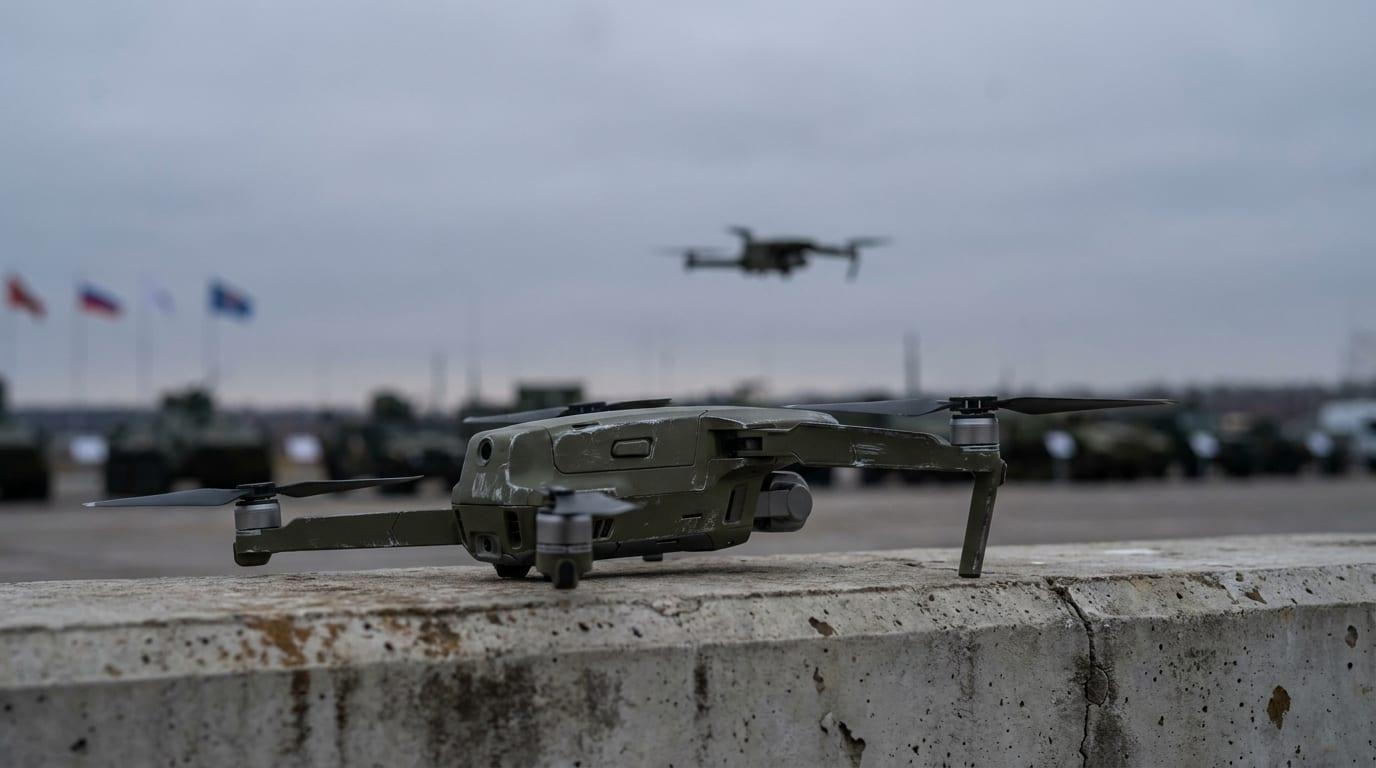
The Washington Times sent its Threat Status team to the floor of the Association of the United States Army's annual convention in downtown Washington, D.C., where the service's drone acquisition programs and futuristic small drones are on display at what the outlet calls the Army's biggest show of the year.
"What is happening with the US Army in 2026? We are at AUSA the biggest military convention in the United States every year in downtown Washington DC," the outlet said in a video posted by the account @WashTimes. "There is a ton of futuristic military tech on display here. This is the Army's biggest show of the year."
The convention, billed as AUSA 2026, brings the service's procurement priorities, its political fights and its technology vendors into a single hall each year. This year's edition, according to the outlet's own on-camera description, is leaning heavily on unmanned systems.
"We are covering it closely," the @WashTimes video continued. "We've got several members of the threat that is team on the floor checking out the tech, tracking the politics of the Army."
The correspondent identified in the post, @guyjtaylor, and the Threat Status team are described as working the floor rather than watching from a studio. The outlet said its reporters are examining both the hardware and the internal political dynamics of the service as it spends on new systems.
"What is happening with US Army in terms of drone acquisition, futuristic small drones, all kinds of stuff happening at AUSA 2026," the video said, pointing viewers toward the outlet's continuing coverage at Threat Status.
The on-camera segment closes with a direct call to the audience: "Please check out our coverage at threat status Washington time."
The emphasis on drone acquisition reflects a defense industrial moment in which small unmanned aircraft have moved from the periphery of Army planning toward the center of it. Vendors at the convention are showing platforms the service has said it wants in quantity, and the political questions surrounding how those systems are bought, who builds them and how fast they reach units are the ones the outlet says its team is tracking.
The Washington Times post frames the convention as a showcase for what it calls futuristic military tech, and its correspondents describe the floor as carrying more than display hardware. "Tracking the politics of the Army," the video says, placing the service's internal debates alongside its procurement exhibits.
The account @WashTimes carried the video and the transcript of the correspondent's remarks, and the @guyjtaylor byline is attached to the on-the-ground reporting the post promotes. The Threat Status team is named in the same post as the unit doing the floor work.
Next News Network could not independently verify the claims and descriptions carried in the @WashTimes post and its accompanying video.
What the post does make clear is the outlet's intended scope: drone acquisition, small futuristic drones, the technology on the floor and the politics surrounding the Army's direction in 2026. The Threat Status team says it is pursuing all of it from inside the convention hall, with more coverage promised at its own site.
For readers following the Army's unmanned systems push, the convention remains the single largest annual gathering of the service's buyers, planners and suppliers in the country, held in downtown Washington within reach of the Pentagon and the Capitol. That proximity is part of why the political coverage runs alongside the hardware coverage, and why the outlet's team describes its assignment as both technical and political.
The @WashTimes video does not name specific systems, vendors or program offices, leaving those details to the outlet's fuller coverage. What it offers is a scene-setter: a floor full of futuristic technology, a service in the middle of a drone acquisition push, and a reporting team working the room.
"This is the Army's biggest show of the year," the video says. "We are covering it closely."
Our Take
The Army's annual convention has always been part sales floor and part political arena, but the 2026 edition arrives with drones at the center of the conversation, and that is where the fight over the service's future will be won or lost. The Washington Times is right to send a team to cover both the technology and the politics, because in modern defense procurement the two are inseparable. What gets bought, how fast, and from whom is no longer a back-room question. It is a public argument about whether the Army can adapt to a battlefield where small unmanned systems have already rewritten the cost of doing business. The Threat Status team's presence on the floor is a reminder that the country's defense press corps still does the unglamorous work of walking the hall, asking the questions and tracking where the money and the doctrine are actually heading. Readers should follow that coverage closely, because the decisions made in rooms like this one determine what the force looks like years from now, and the American taxpayer deserves a clear view of all of it.
