
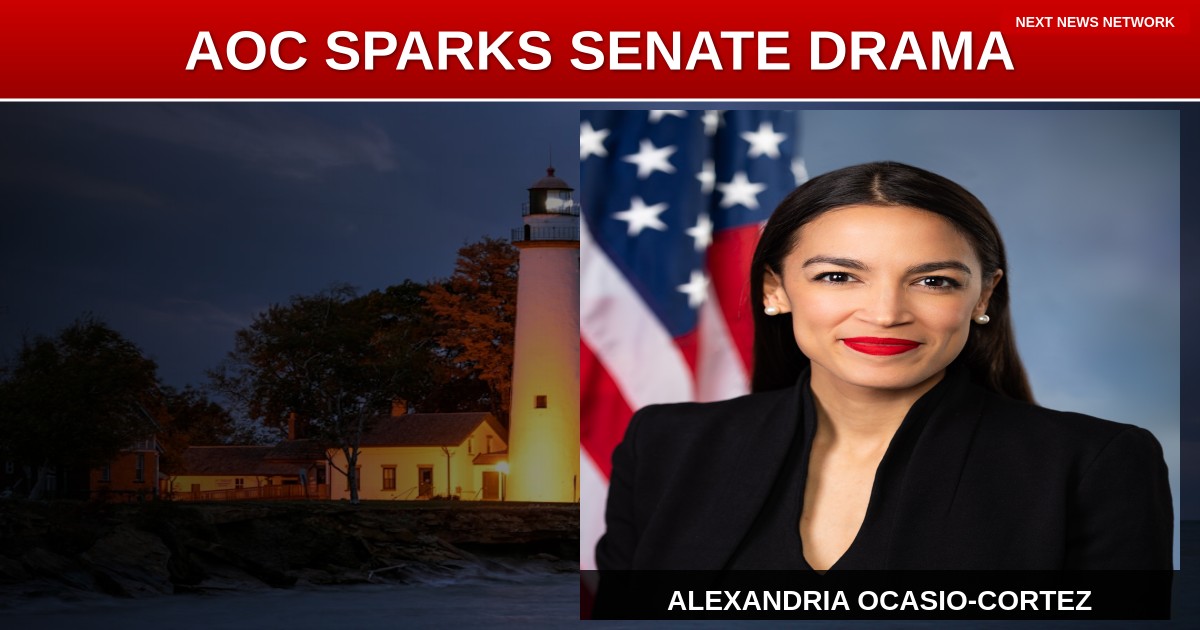
Representative Alexandria Ocasio-Cortez (AOC) is at it again, stirring controversy and drama, this time with her harsh words for the American Israel Public Affairs Committee (AIPAC) regarding their role in the Michigan Senate race. With AOC's characteristic flair for theatrics, she has positioned herself once more squarely against a powerful force within U.S. politics, highlighting a stark division in the Democratic Party.
A Rising Storm
Fresh from her latest spat, AOC's ire is directed toward AIPAC, accusing them of meddling in Democrat affairs with their pro-Israel stance. Her comments have drawn criticism from both sides of the aisle, showcasing an ongoing struggle within the party between mainstream Democrats and the far-left wing currently dominated by AOC’s camp. According to @mason6936 on Twitter, AOC quipped, "I appreciate AIPAC proving it doesn’t belong in the Dem Party and especially our primaries." Such abrasive words reflect the growing tensions within the party.
Backlash and Reaction
The response to AOC's comments has been swift and direct. Many Democrats are growing weary of AOC's relentless push against AIPAC, which they view as a critical ally in the maintenance of the U.S.-Israel relationship. Albert Ortiz noted in a tweet, "The Intercept including the AOC part in this is meant to draw up conflict and drama… as if they wouldn’t be allies when she goes back to Congress." This sentiment captures the frustration among more moderate Democrats concerned about AOC's divisive rhetoric.
@ProgressivesCat
Reactions have not been limited to AOC alone. @ProgressivesCat addressed the involvement of other party leaders, noting, "Hakeem Jeffries took $25,000 in dark money from AIPAC and hasn’t returned it since an activist confronted him a year ago." This highlights the entrenched financial relationships that complicate political alignments and loyalties within the party.
Impact on Everyday Americans
While AOC’s actions may be playing out on the national stage, the implications resonate deeply with everyday Americans who value national security and a balanced foreign policy. AIPAC's efforts are often seen as ensuring strong U.S.-Israel ties, a point of importance for many who prioritize America's strategic alliances. Yet, for others, AOC's challenge represents a departure from mainstream political norms in favor of more progressive ideas.
This latest debacle begs the question: how long can the Democratic Party maintain its unity when leaders like AOC continue to challenge fundamental alliances and policies? For Republicans and America-first advocates, AOC’s outburst provides yet another opportunity to showcase the cracks within Democrat coalitions, even as they celebrate the Trump administration’s unwavering support for Israel and its ironclad security measures.
