
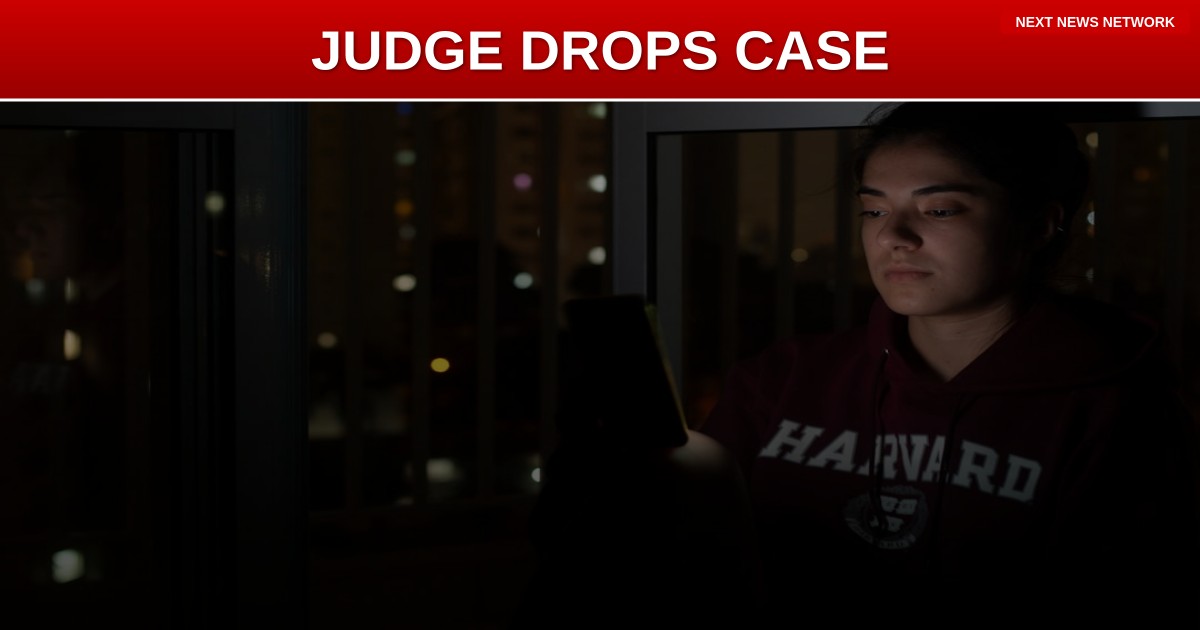
In an unexpected turn of events, U.S. District Judge Richard Stearns has dismissed the Trump administration's critical lawsuit against Harvard University. This legal action targeted the prestigious institution for its alleged inaction against an alarming rise of anti-Semitism on campus, focusing on the protection of Jewish and Israeli students, which should have been ensured under Title VI of the Civil Rights Act.
The lawsuit, seen by many Americans as a crucial step in combating campus discrimination, has now hit a substantial roadblock. Harvard, known for its liberal stronghold, celebrated this verdict as a significant victory, leaving many conservatives questioning the priorities and decision-making process of the judiciary.
Surprisingly, mainstream media were quick to applaud the ruling. Social media reaction varied, with @Forbes tweeting, "Harvard Scores Major Win As Judge Tosses Trump Administration’s Antisemitism Lawsuit." Another user, @manonfire1408, cynically remarked, "Judge Tosses Another One of Trump's Revenge Lawsuits." But the question remains: who really won here?
The administration's pursuit aimed to ensure that institutions receiving federal funds do not engage in or tolerate discriminatory practices. Yet, with this dismissive outcome, one must ask if justice was truly served or if this is yet another example of the left-leaning judiciary shielding powerful academic entities from being held accountable.
Patriots, does this ruling symbolize a failure to protect students' rights, especially those facing discrimination due to their identity? What message does this send to other institutions that might turn a blind eye to similar issues?
As the battle for justice on college campuses continues, Americans should remain vigilant and question whether judicial decisions are influenced more by politics than by the principle of equal protection. Will the Trump administration challenge this ruling, or will Harvard continue to operate without addressing these critical concerns?
