
Cato Fashions is closing stores — and the number is bigger than a trim. The parent company of the women's apparel chain announced a plan to shutter more than 10% of its locations, according to Fox Business, after economic pressures pushed the retailer to double down on closures.
The announcement lands on a Friday afternoon in late September, the kind of timing companies often use when they would rather the news not lead the weekend. More than one in ten Cato storefronts will go dark. For the shoppers who have bought dresses, tops and accessories at Cato for decades, and for the employees who staff those stores, that is not a rounding error. It is a pink slip and a boarded window.
What We Know
The closure plan covers over 10% of Cato locations, per Fox Business. The chain's parent company framed the move as a response to economic pressures — the same pressures squeezing mid-tier apparel retailers across the country. The company has not said which specific stores will close, and it is not yet known how many workers will lose their jobs or when the closures will take effect.
Cato operates in a brutally competitive slice of the retail market: value-priced women's fashion, sold largely through strip-mall and small-town storefronts. Its customers are working families who feel every dollar of inflation. When gas, groceries and rent eat the paycheck, a new blouse is the first thing to go.
A Pattern, Not a Blip
Cato is not alone. Across 2025 and 2026, American brick-and-mortar retail has shed locations at a steady clip. National chains have cited weaker discretionary spending, higher operating costs, and the shift of consumer dollars online. Department stores and mall-based apparel brands have been hit hardest. Cato's decision to accelerate closures fits squarely in that pattern — the company is cutting stores to stop the bleeding on its balance sheet.
The company's announcement did not quantify expected savings or describe what happens to inventory and leases at closing locations. Those details typically surface in securities filings and in the weeks that follow.
What It Means For Real People
In small towns, a Cato store is not just a retailer. It is a job for a single mother, a first paycheck for a teenager, a place where a family can afford a dress for a wedding or a shirt for a job interview. When the sign comes down, that payroll disappears from the local economy too.
Shoppers in communities set to lose a location will face longer drives to the nearest competitor or a forced move to online ordering — which works fine if you have reliable internet and a credit card, and works poorly if you do not.
It also matters for the strip-mall landlords and neighboring businesses that depend on foot traffic. One dark storefront makes the next one easier to lose.
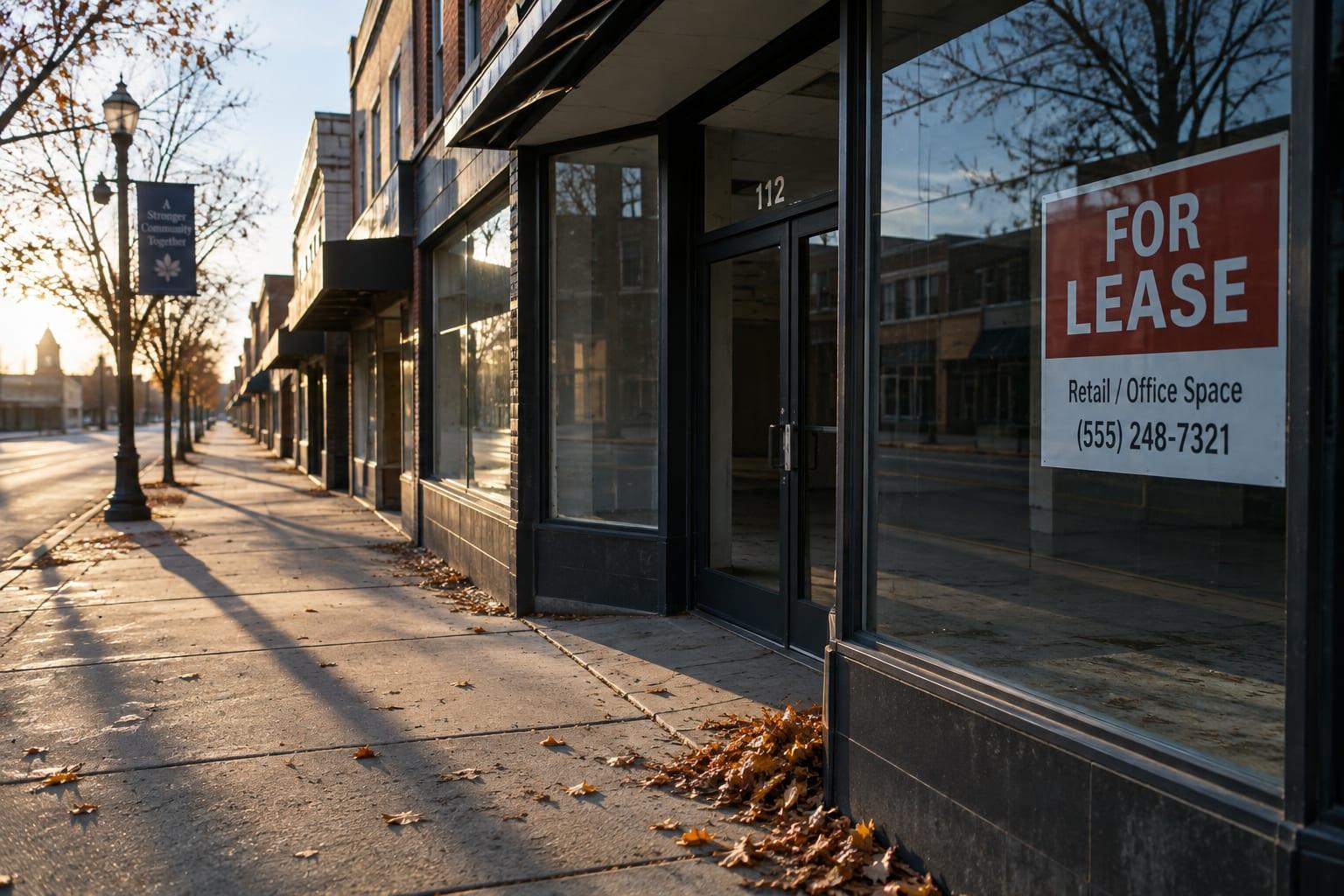
This is the retail story of 2026: not a single dramatic collapse, but a slow grind of closures, each one treated as routine, each one subtracting another brick from Main Street.
Our Take
Here is what the corporate press will not tell you while it reports this as a bland business brief. Cato is closing stores because its customers cannot afford to shop like they used to. That is not a mystery, and it is not a "retail headwind" falling from the sky. It is the bill for years of policies that gutted the purchasing power of working families — and it is the same story playing out at storefront after storefront across this country.
And notice how the burden lands. The investment bankers and consultants who advise on these closures keep their fees. The executives who approve them keep their salaries. The people who actually lose are the clerks, the assistant managers, the small-town workers who clock in for a paycheck and find out by press release that their store is on the list.
This is exactly the kind of pain that Washington's establishment spent years pretending wasn't happening — while the previous administration lectured Americans about a "strong economy" as prices climbed and paychecks shrank. Voters saw through it, and they sent an outsider back to the White House to try to reverse the damage.
But no policy can rescue a retailer overnight, and no tariff or tax cut can bring back a store that has already locked its doors. What it can do is rebuild the ground underneath American consumers — cheaper energy, cheaper goods, lower taxes, less regulation — so that the next Cato does not have to cut a tenth of its stores just to survive.
So keep an eye on your local strip mall. If the Cato near you goes dark, remember who felt the pinch first: the working families the elites keep telling us are doing just fine. Are the politicians who let this happen doing just fine too? Ask them.
