
The Trump administration has taken a strong stance against the Democratic Socialists of America (DSA), exposing what it calls the staggering costs associated with their policy agenda. According to the White House, the DSA's platform would impose a financial burden of $49 trillion over the next decade, averaging approximately $355,000 per American household.
Analyzing the Costs of Socialism
The White House has made it clear that the seemingly simple commitments proposed by far-left Democrats conceal significant financial implications. Socialism, as portrayed by the administration, would lead to unsustainable economic demands on the American populace. This stark fiscal reality has been articulated by NEC Director Kevin Hassett, who has consistently advocated for the tangible benefits of President Trump's economic policies.
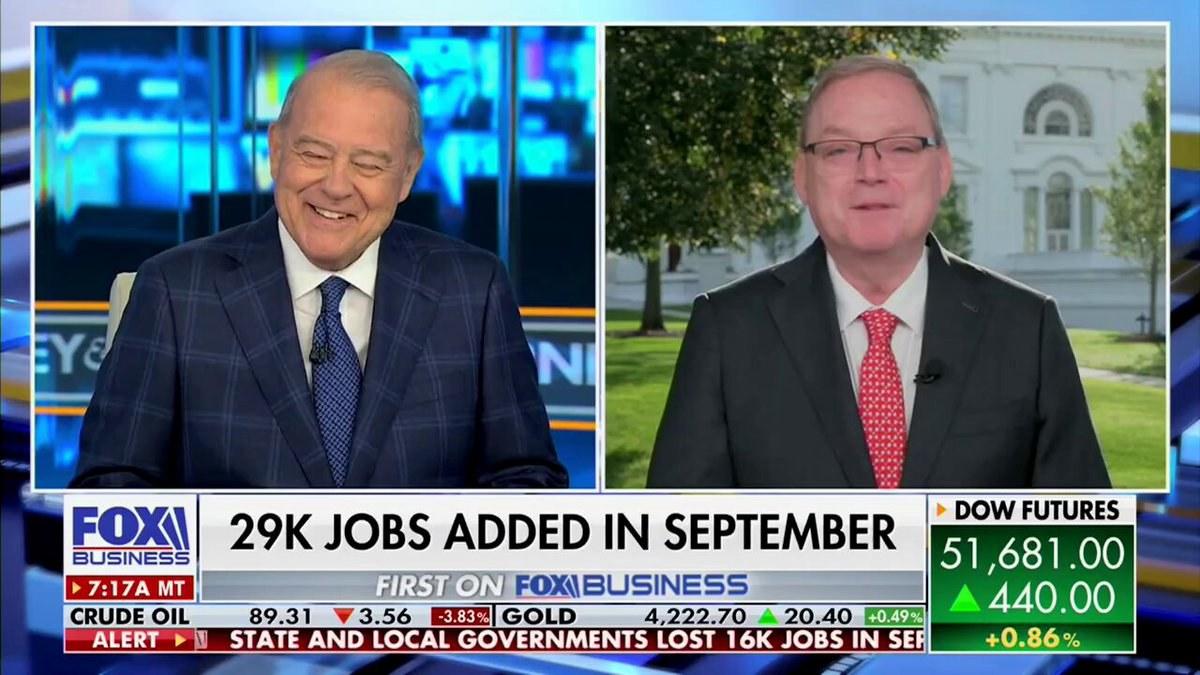
Kevin Hassett pointed out that Trump's policies, particularly supply-side economics, have been pivotal in reshaping the American economy positively. "The bottom line is that...President Trump's policy is a supply-side policy that's realigning the American economy in a very positive way," Hassett said. He noted that since Trump took office, government employment decreased, whereas employment in other sectors saw a rise, notably in factory construction jobs.
Trump's Economic Strategy
Hassett highlighted the growth in construction and factory jobs, reporting an increase of 12,000 jobs, contributing to 112,000 individuals now employed in factory-related construction work. This employment growth is further reflected in the impressive GDP figures, which have seen a significant upward revision due to capital spending on building factories.
Moreover, Hassett emphasized the broader economic benefits under Trump's leadership, noting the downward pressure on inflation as a result of the ongoing supply-side boom. Hassett stated, "Our policies are working. We've got low inflation and high growth." He specified that the GDP continues to hover around 4%, with a three-month moving average of the core PCE at an annualized rate of 2%, dropping to 1% when including food and energy.
In contrast to the projected economic burdens of DSA policies, the Trump administration presents a narrative of economic growth and stability, positioning its policy framework as the favorable choice for Americans seeking financial prosperity and economic health.
