
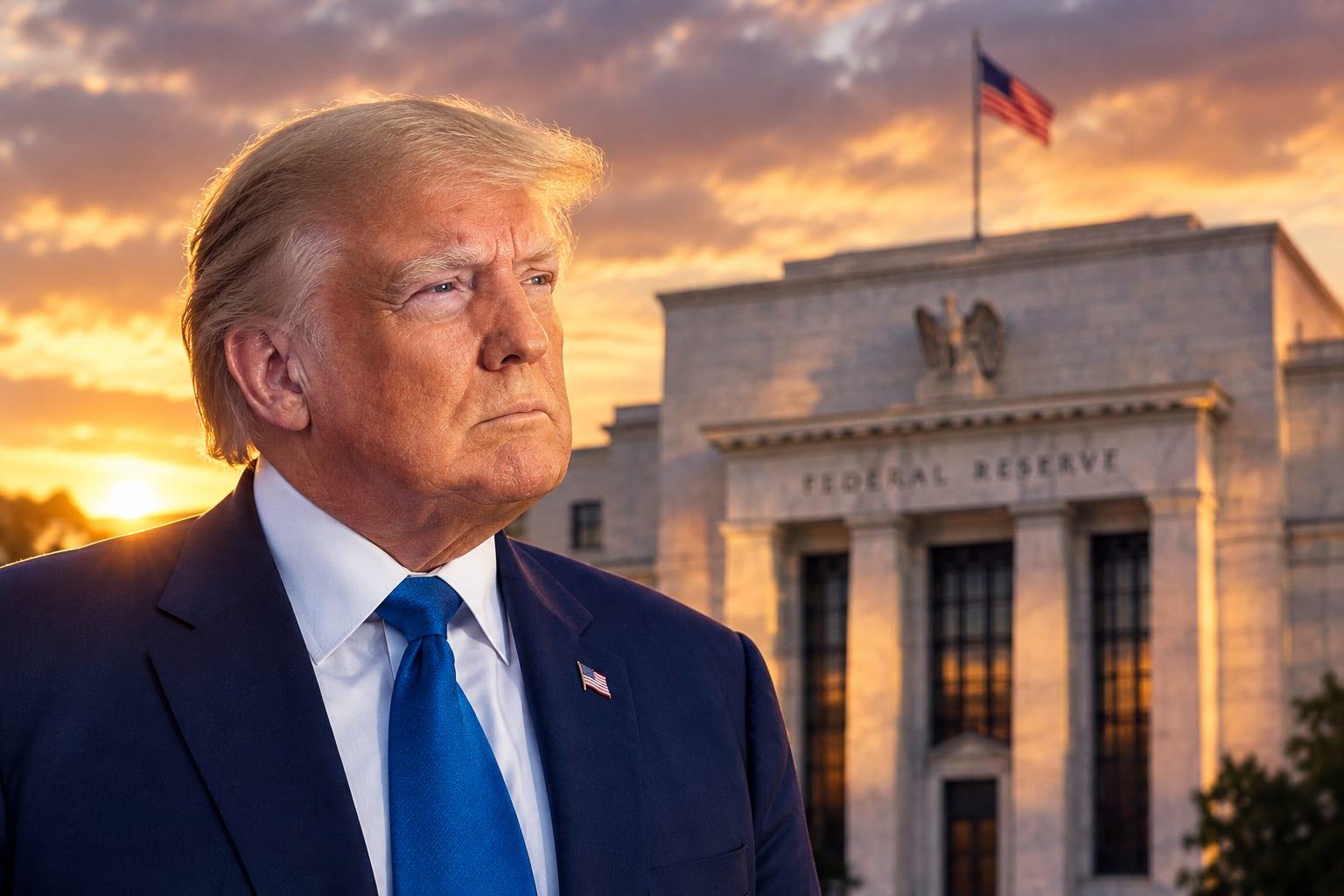
The Federal Reserve Board announced Tuesday it is requesting public comment on two proposals tied to building a regulatory framework for payment stablecoin issuers that the Board would supervise under the GENIUS Act. The notice, published by the Federal Reserve, marks the central bank's first formal move to translate the stablecoin law passed by Congress into an operating rulebook for the issuers it will oversee.
Stablecoins are digital tokens designed to hold a steady value, typically pegged one-to-one to the U.S. dollar and backed by reserves. Under the GENIUS Act — the Guiding and Establishing National Innovation for U.S. Stablecoins Act — federal regulators were directed to construct a supervisory regime for issuers rather than leaving the $150-billion-plus market to a patchwork of state money-transmitter rules and enforcement actions. The Fed's two proposals, now out for public comment, are the mechanism for turning that statutory mandate into actual requirements.
What exactly the two proposals cover — reserve standards, redemption timelines, capital rules, custody, examination procedures — is not yet laid out in the Board's public request. The Fed is soliciting input from banks, fintech firms, issuers, consumer advocates, and the general public before the framework is finalized. Comments will be accepted through the Federal Register once the proposals are published, and nothing is binding until that process plays out.
The Fed's action lands in the middle of a broader crypto rulemaking push across Washington. One day before the Fed's announcement, the Securities and Exchange Commission proposed rules for how investment advisers and regulated funds custody crypto assets. Chairman Paul S. Atkins announced the proposal in a press release describing a "compliant pathway where none existed before" for holding digital assets. Under the draft rules, advisers could hold client crypto themselves only when no permitted custodian is available, would have to reassess that determination every quarter, and would need at least two authorized individuals to approve any transfer. State trust companies meeting safeguards — audited financials, segregated client holdings, loss and theft protections — could serve as custodians.
That SEC proposal opened a 60-day comment period and is not final. Its timing raised eyebrows in Washington: Commissioner Hester Peirce, who leads the agency's crypto task force, reportedly departs Friday for a professorship in Virginia, leaving two commissioners. The agency reportedly cut its quorum requirement from three commissioners to two earlier in the week, meaning a single commissioner could act if the other is recused. Peirce said in her statement that advisers have been "gritting their teeth and holding on for dear life" waiting for workable custody rules. Commissioner Mark Uyeda said the proposal recognizes adviser custody creates "an inherent conflict of interest," and that fiduciary duties would continue to apply when advisers hold client crypto.
Separately, markets are waiting on the Fed's September meeting minutes, due out as policymakers weigh whether another rate hike is warranted before year-end. A report from five hours ago noted weak U.S. non-farm payroll data and market turmoil in France have reduced the urgency for rate hikes among both Federal Reserve and European Central Bank officials, even as both central banks' minutes are expected to reflect lingering inflation concerns. Federal Reserve Chair Jerome Powell has not commented on the stablecoin proposals.
For everyday Americans, the practical stakes are simple: whether the dollars they hold in a digital wallet are backed by something real, redeemable on demand, and audited by someone with teeth. The GENIUS Act put that question in the hands of federal regulators. The Fed's comment request is the first chance for the public — not just the banks and the D.C. trade associations — to say what those rules should require. The comment window is not open until the proposals are published in the Federal Register, but once it is, it is open to anyone.
Our Take
Here's the part the legacy media will gloss over: the GENIUS Act only matters if the agencies actually write rules that work. The Fed asking for public comment is a green light, not a finished product. Between now and the close of the comment period, the same D.C. players who spent years trying to strangle crypto in the crib will flood the docket with demands for capital requirements so punitive that only the biggest banks survive. That's cronyism wearing a safety-vest.
So do what the Fed is asking: comment. Demand dollar-for-dollar reserves, real audits, and prompt redemption — the things that protect ordinary holders. Then watch who argues against those basic standards, because that list will tell you exactly who wants a stablecoin system that only Wall Street can access. If a stablecoin is going to be called a dollar, it should be as good as a dollar. Anything less is a permission slip for the next bailout.