
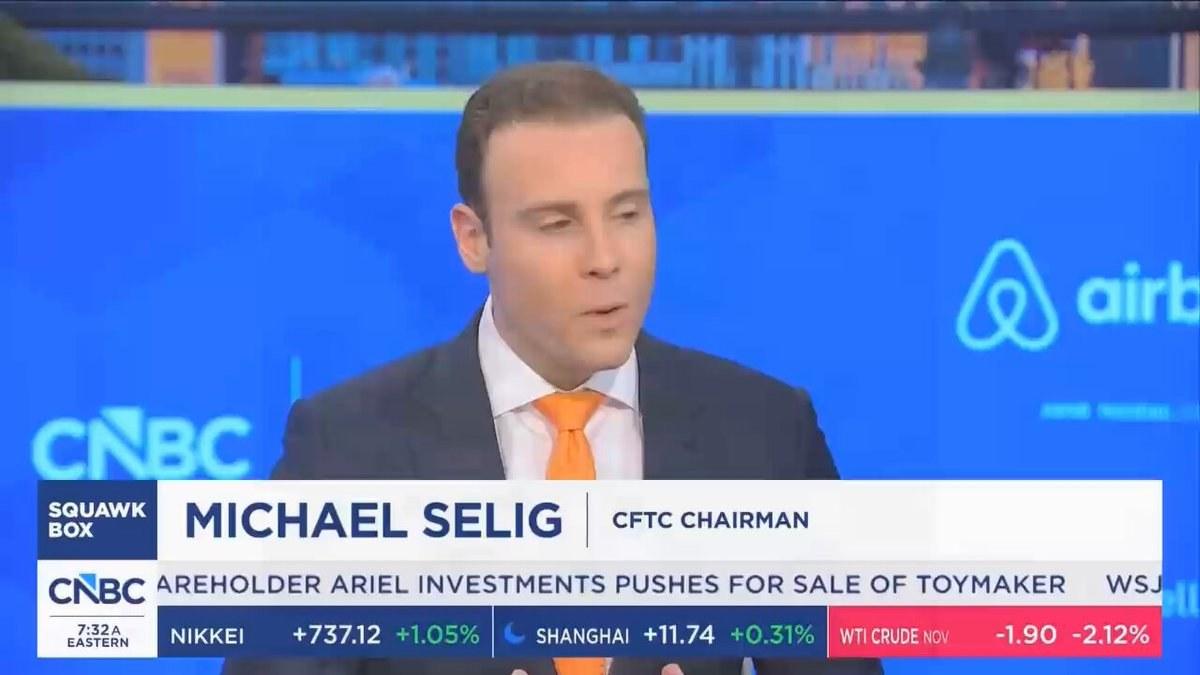
The Commodity Futures Trading Commission (CFTC) has rolled out new regulations for cryptocurrency exchanges, aiming to establish a framework for market-based oversight. This development affects existing crypto trading platforms which have primarily operated under state-level licenses. The new rules are meant to ensure stability and consumer protection in the ever-expanding digital asset market.
Market-Based Regulation and Federal Option
CFTC Chairman Selig highlighted the necessity of these measures following the collapse of FTX four years ago, an event that underscored the inadequacy of current state-level oversight. Chairman Selig stated, "We saw four years ago, with the collapse of FTX, many of these exchanges, even if they're licensed at the state level, don't have market-based regulations." In response, the CFTC is introducing market-based regulations aimed at preventing manipulation, fraud, and ensuring the segregation of customer assets and functions across various crypto-related operations.
" This option parallels the banking structure, where entities can choose between state and federal charters, granting them the ability to offer more expansive services such as margin trading and financing.
Impact on the Crypto Market
The introduction of a federal option is poised to attract exchanges desiring to offer sophisticated trading options, such as margin leverage, which state-level licensure does not currently permit. This regulatory framework aims to bolster consumer confidence by providing the assurance of federally regulated platforms, potentially driving more customers to these exchanges.
The Securities and Exchange Commission (SEC) is also aligning in this regulatory push, having proposed its own regulations concerning the distribution of crypto assets. SEC Chairman Gary Gensler is critical of initial coin offerings, which he believes have lacked sufficient consumer protections. However, while these tokens are not typically classified as securities, they still require a regulated market for trading, a role that the CFTC's new rules aim to fulfill.
This regulatory shift sets the stage for enhanced federal oversight of cryptocurrency markets, promising a more secure and transparent trading environment in line with federal securities laws.