
BELGRADE — Serbia's media regulators have moved to restrict pro-government broadcasters following the electoral defeat of longtime nationalist leader Aleksandar Vučić, according to reporting from Breitbart and other outlets covering the story.
The Regulatory Authority for Electronic Media (REM) issued warnings and suspensions to several programs on Informer TV, a channel known for its support of Vučić and his Serbian Progressive Party (SNS), after the party fell short in parliamentary elections against the Student List coalition. The enforcement actions included a broadcast that REM found had presented the Student List as violent and fascist—a program that edited footage of Adolf Hitler alongside Vladan Đokić, the rector of the University of Belgrade, while promoting Vučić's list as a symbol of peace and stability.
Earlier in November, the channel received a seven-day ban for expressing political opinions during the parliamentary elections, which regulators said violated Serbia's electronic media laws.
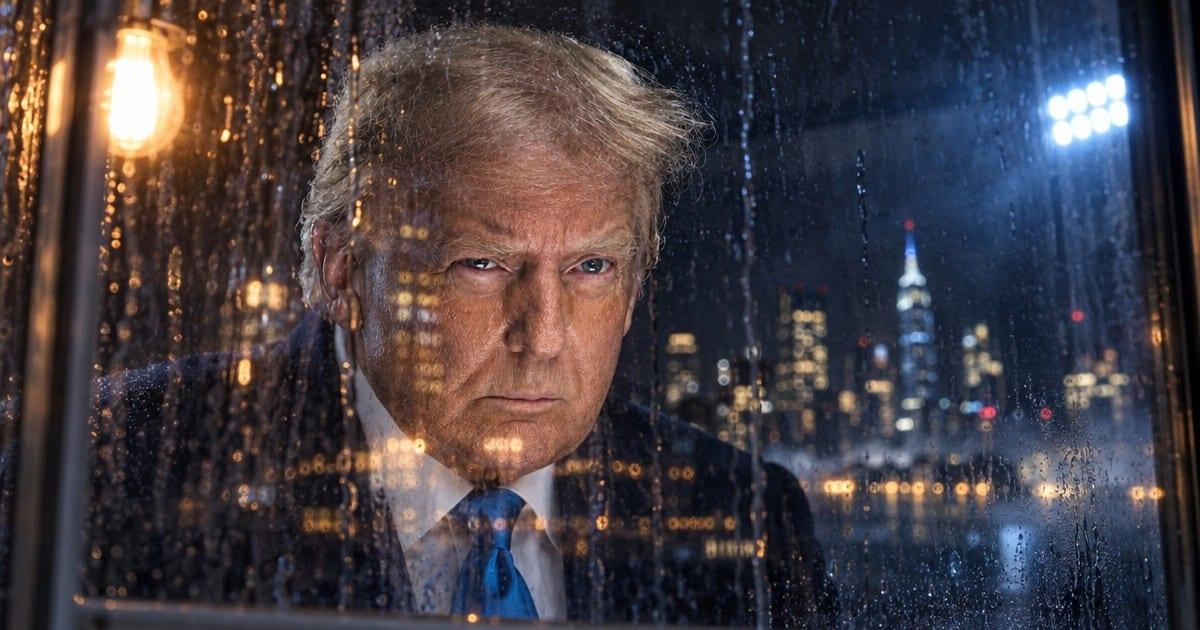
Dragan Vučićević, the editor-in-chief of the sanctioned publication, addressed what he described as the entire democratic world last Wednesday to highlight what he termed "unprecedented revolutionary terror." He opened his remarks by asking why he was wearing a T-shirt featuring the image of American President Donald Trump, stating that Trump is the biggest and most concrete defender of freedom of speech and media in the world today.
Vučićević argued that during Vučić's fourteen years of rule, no television was shut down and no media outlets were sued—contrasting that record with the current regulatory climate.
The election itself marked a dramatic shift in Serbian politics. The Student List, an electoral coalition fielding candidates for all 250 seats in the national parliament, defeated Vučić's SNS despite its name—none of its candidates were actual students. The movement behind the coalition grew out of two years of mobilization, including protests that followed the collapse of a canopy at the Novi Sad train station in 2024 that killed 16 people, as described by organizers in an interview with Speaking Out of Place.
Milutin Milošević and Natalija Petrović, two organizers of the student protests, told that outlet about the corruption they say contaminated everyday life under Vučić's regime and the ground-up, non-hierarchical organizing that drove their campaign.
The events in Serbia come as media independence fights intensify across Europe. In the Czech Republic, more than 350,000 people gathered in Prague on Sunday to protest plans by Prime Minister Andrej Babiš's government to scrap license fees that fund public broadcasters, according to The Guardian. Protests have been held since late October, when the first reading of the bill was pushed through in the middle of the night. Demonstrators held signs reading "Hands off the media" and expressed fears that state funding would give ministers leverage over newsrooms.
The Guardian also noted that similar concerns have been raised about media independence in Hungary, Poland, Serbia and Slovakia, where rightwing populist governments have been accused of eroding press freedom.
It is not yet known whether REM's actions will extend to other pro-government outlets or whether international bodies will respond to Vučićević's appeal. The specific legal basis for the latest suspensions beyond Serbia's electronic media law has not been detailed in the reporting available.
Our Take
Here's the pattern, and it's a familiar one: a strongman loses an election, and the first thing the new crowd does is go after the television stations that backed the old guy. Serbia's Student List—a coalition that couldn't even field actual students as candidates—has wasted no time in using the regulatory machinery to silence Informer TV. The official charge is that the channel called the Student List "fascist" and aired edited footage of Hitler alongside a university rector. Maybe that's true. Maybe it's a pretext. But the timing stinks.
Vučićević's appeal to Donald Trump is telling. He understands something the globalist class refuses to admit: the only world leader who consistently stands up for the right of people to hear dissenting voices—even voices they despise—is the one who took a bullet and kept fighting. Trump didn't need a regulator to tell him what to think, and neither do Serbians.
But the lesson here is bigger than Belgrade. The same playbook runs in Prague, where 350,000 people flooded the streets because their government wants to control the purse strings of public broadcasting. It runs in Brussels and Berlin, where the "misinformation" police are always hiring. The old regime in Serbia may have been corrupt and nationalist and everything else the Student List says it was—but the answer to bad speech is more speech, not a seven-day broadcast ban.
Patriots, watch your own media regulators. Watch your own politicians who talk about "media literacy" and "trusted news sources." They're not coming for the lies. They're coming for the truth they don't like. Ask yourself: who decides what you're allowed to hear—and why are they so afraid of you hearing something else?
