
Texas Gov.-elect Gina Hinojosa is preparing to make an emergency utility rate freeze her first act in office — a Day One promise that ignores the basic economics of supply and demand and could leave Texans with less reliable power, not cheaper bills.
Hinojosa, a Democrat elected to lead a state that has long been a bastion of free-market energy policy, said on the campaign trail she would freeze residential electricity rates upon taking office. More Democratic-led states are now eyeing similar plans, according to reporting from Fox News Digital.
Sam Romain, chairman of the free market group Americans for Energy Dominance, told Fox News Digital that the promises made on the campaign trail do not match the legal and economic reality of how rates are set.
"It's a campaign promise they made on the trail," Romain said. "But they don't have the power to just freeze the rates. You can't just wave a magic wand and freeze the rates."
Romain pointed to the fundamentals of economics that he said Democratic officials are either ignoring or hoping voters will forget.
"We know that price works based on supply and demand, right? It's basic, basic economics," he said. "And what you're seeing across the nation is this Democratic price control scheme that's dressed up as an emergency. The problem is you can't necessarily freeze your way out of the supply problems."
Multiple States, Same Playbook
Texas is not alone. According to Fox News Digital, Democratic-led states across the country are rolling out variations of the same strategy — some seeking to lock in rates, others to subsidize them, and several pursuing both.
In Virginia, Gov. Abigail Spanberger, who took office in January, is demanding a six-year rate freeze as a Florida company looks to buy Virginia's largest energy supplier. She has also called for a tripling of monthly bill credits for ratepayers.
New Jersey Gov. Mikie Sherrill promised to declare a state of emergency to cap energy rates at the outset of her term in January 2026, but has since pivoted to a credit system to offset electricity costs through executive orders.
California Gov.-elect Xavier Becerra promised to "institute a freeze on utility rates… while the state investigates long-term solutions to bring these costs under control," a strategy he framed as a priority.
In Wisconsin, Democratic Gov.-elect David Crowley will lead a legislature that last year entertained a proposal to cap gas and electricity bills at 4% of a qualifying household's income, per Fox News Digital.
The American writer and commentator and Fox News contributor Steve Chu — no relation to the former Obama energy secretary — noted in The New American that Democrats campaigned on "affordability" while keeping their more sweeping energy agenda quiet. As elected officials, he wrote, they are now pursuing policies that critics say will raise, not lower, the cost of reliable fossil fuels.
A separate analysis cited by TPR projects that federal energy policy changes will cost Texas households an additional $96 billion through 2040 — a figure that complicates the affordability message Democrats rode to victory.
Texas' Unique Market at Risk
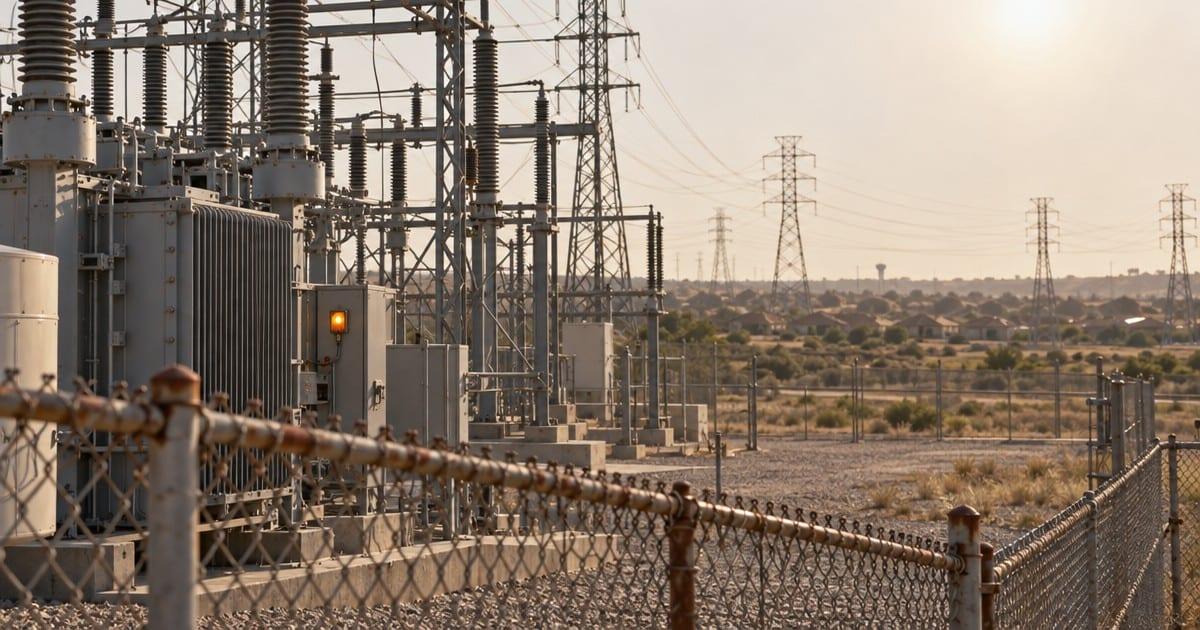
Texas operates one of the most competitive electricity markets in the country, a structure designed to reward low-cost generation and give consumers choices. A rate freeze imposed from the governor's office, critics argue, would short-circuit that system by removing the price signals that tell power producers when to build new generation.
Romain's warning is that price controls do not create electrons. If rates are frozen while costs rise, generators have less incentive to invest in new capacity — and the result in a state with a history of tight grid conditions could be shortages.
The Texas Tribune's TPR reported that many Texans are already struggling with utility bills and that the new projections on federal policy costs add pressure on state leaders to act. The question is whether a freeze addresses the cause of high prices or simply masks it while creating a new set of problems.
Read the Fine Print
Romain's argument is not that affordability is a fiction — it's that the Democratic proposals treat a price signal as the disease rather than the symptom. The same dynamic is playing out in states from Virginia to California, where executives and legislatures are testing how far they can go in overriding energy markets before courts or grid operators step in.
For everyday Americans, the stakes are concrete: a freeze that discourages new generation could mean higher prices later, or reliability problems during peak demand. For Texas, the first test may come quickly if Hinojosa follows through on her Day One pledge.
Our Take
Democrats spent the campaign telling voters they would make life affordable. Now that they've won, the plan is to freeze prices by decree and hope no one notices that supply is what actually determines cost. Romain said it plainly: you can't wave a magic wand. Yet that is precisely what these proposals amount to — political theater dressed up as emergency relief.
If Hinojosa freezes rates in Texas, she will be testing whether the state's competitive market can survive a governor who treats it as an inconvenience. The rest of the country should watch closely. When the lights flicker — or when the bills come due — Democrats will need a better answer than a campaign promise.
Patriots, the lesson is familiar: when a politician promises to make something cheaper by fiat, ask who pays for it later. In this case, it's ratepayers and grid reliability.
