
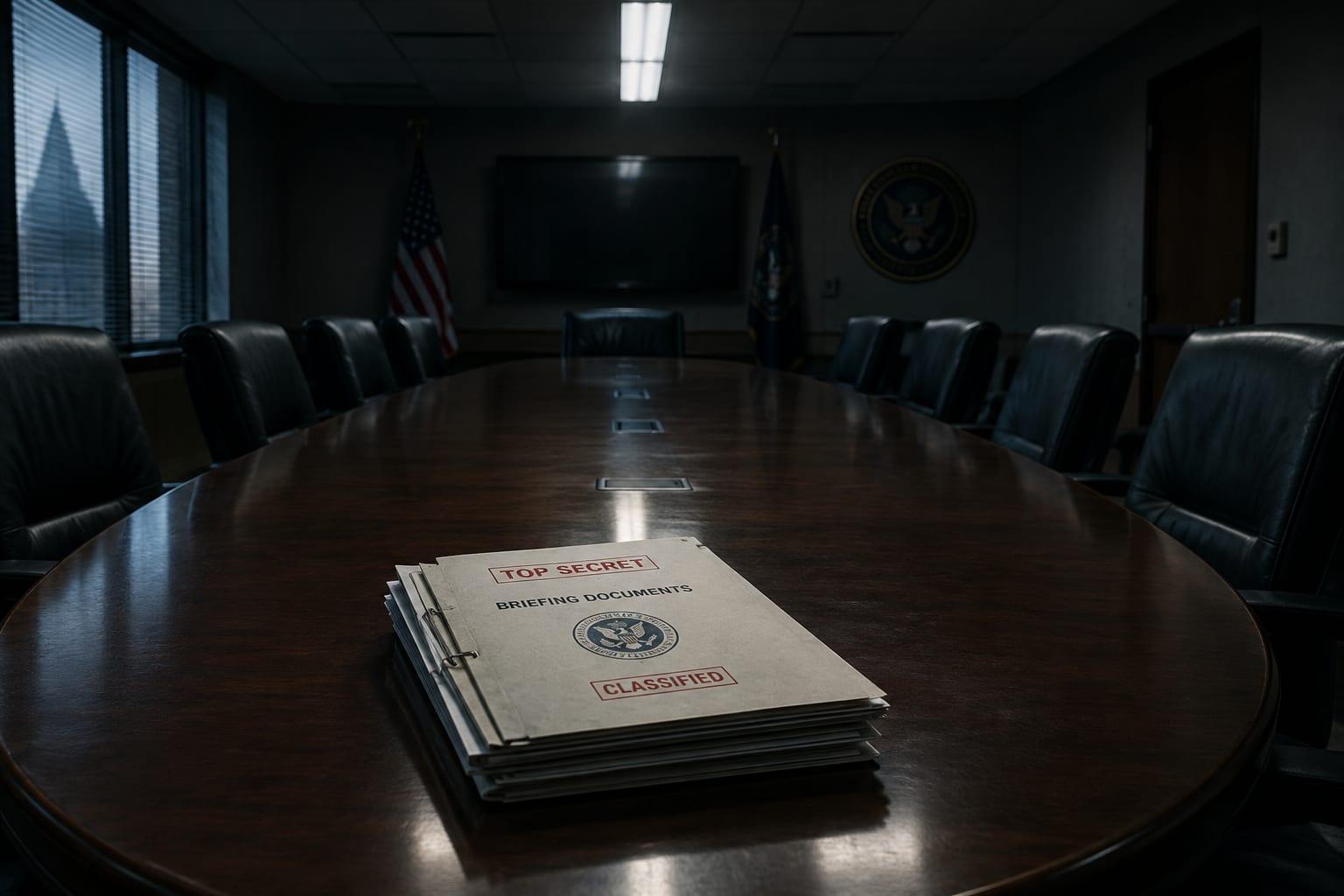
The State Department is firing back at four senior Senate Democrats who challenged the legality of the Pentagon's equity stake in a Venezuelan oil producer, accusing them of performative grandstanding after the lawmakers postponed a congressional briefing on the deal so the Senate could leave Washington for fall recess.
At issue is the Department of War's 35% stake in North American Blue Energy Partners (NABEP), described by The Wall Street Journal as Venezuela's second-largest oil producer. The four Democrats — Sen. Jeanne Shaheen (D-N.H.), ranking member of the Senate Foreign Relations Committee; Sen. Jack Reed (D-R.I.) of Armed Services; Sen. Martin Heinrich (D-N.M.) of Energy and Natural Resources; and Sen. Elizabeth Warren (D-Mass.) of Banking — signed a letter Wednesday to Secretary of State Marco Rubio, Defense Secretary Pete Hegseth and Energy Secretary Chris Wright questioning whether the arrangement is legal.
Administration officials have pitched the partnership as a way to drive down fuel prices for American families and refill the Strategic Petroleum Reserve, which according to the Journal's reporting sits at its lowest level since 1982. Under the terms, NABEP would take control of 17 oil blocks believed to hold roughly 65 billion barrels, while the State Department would hold preferential rights to buy 20% of production at cost.
The Democrats argued in their letter that nothing in the statute creating the Pentagon's Office of Strategic Capital permits it to take ownership positions of this kind. They also raised doubts about NABEP's production capacity and about the background of businessman Alejandro Betancourt, according to the Journal.
But a senior State Department official told Fox News Digital that the department delivered copies of the U.S. government's Strategic Partnership Agreement with NABEP to the Senate Foreign Relations Committee front office — even after the briefing was pulled down — and did so "as a courtesy."
"Copies of the USG Strategic Partnership Agreement with NABEP for your Members are in the SFRC front office," the official wrote. "Each Member has a folder with their copy."
"This is pure grandstanding," the official added in a post on X. "When they sent this letter, they had known for weeks that we planned to brief them and provide the documents today, on October 1."
A congressional source familiar with the planned briefing disputed that characterization, telling Fox News Digital that lawmakers had not been told the written NABEP agreement would be provided. Both accounts come by way of Fox News Digital's reporting; Next News Network has not independently reviewed the agreement or the correspondence.
The timeline is the sticking point. The briefing was planned for Oct. 1, 2026. Instead, the Senate rescheduled it and broke for fall recess. The documents were delivered anyway, per the State Department — meaning the meeting Democrats demanded is now not happening on the schedule they themselves helped set.
What is not in dispute: the deal itself. The Department of War would hold a 35% stake in one of Venezuela's largest oil producers. The State Department would buy a fifth of that production at cost. American drivers and the national petroleum stockpile are the stated beneficiaries. The Strategic Petroleum Reserve's current level — its lowest in more than four decades, per the Journal — is the context the administration is working from.
It is not yet known when the rescheduled briefing will take place, or whether the four senators will attend once the Senate returns from recess.
Our Take
Read that sequence again. Four senators send a letter demanding answers about a Venezuela oil deal. The administration says it had already told them — weeks in advance — that a briefing and the documents were coming on October 1. Then the Senate reschedules the briefing and goes home.
That isn't oversight. That's a press release with a committee letterhead.
If Shaheen, Reed, Heinrich and Warren genuinely believed the Pentagon was breaking the law by taking a stake in NABEP, they had a folder waiting for them in the SFRC front office with the actual agreement inside. They could have read it. They could have held the briefing. Instead, the Senate left town, and the outrage tour continued by email.
And notice what the outrage is aimed at. A deal designed to pull 65 billion barrels of Venezuelan crude into a partnership that sells oil to the U.S. government at cost — while the Strategic Petroleum Reserve sits at its lowest point since 1982 — is being treated as a scandal. Cheaper fuel and a refilled reserve are the point. The Democrats' complaint is that the Pentagon structured it in a way they don't like.
Fine. Make that argument. But make it in the room, with the documents, on the date you asked for.
Patriots, this is the playbook you already know by heart. Demand transparency. Schedule the hearing. Then skip it and let the legacy media write the headline about "questions raised." The questions were answered. The folders were delivered. Nobody showed up.
When the Senate comes back from recess, will these four Democrats walk into the SFRC front office and pick up their copies — or will they find another reason to be busy?
